Sundowning at Home — Practical Steps for Florida Caregivers

In this article
If your parent gets more confused, restless, or upset as the afternoon light fades, you can change how tonight goes. Start with three things: turn the lamps on before the room gets shadowy, lower the noise and activity after dinner, and keep the evening slow and predictable. Those are the same first moves the Alzheimer's Association and the National Institute on Aging point families to, and you can try them tonight without buying anything.
This late day change has a name. It is called sundowning, and it is common in Alzheimer's and other kinds of dementia. It tends to show up as dusk arrives and can run into the night. What follows is a practical plan for the hours that go sideways, written for the person at home doing the caring.
What sundowning looks like
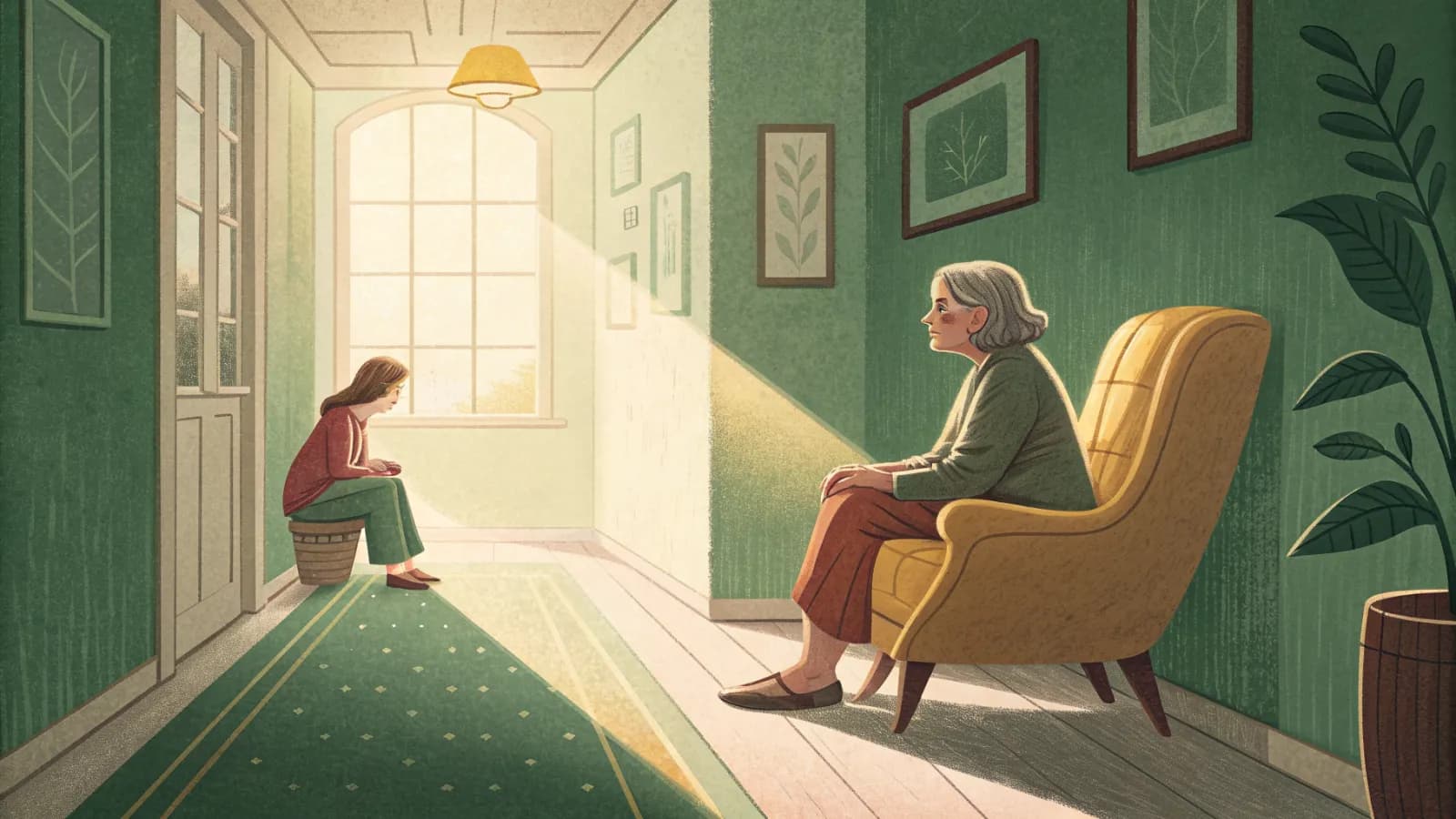
You will usually feel it building in the late afternoon and early evening. Your parent may pace, ask the same question again and again, want to go home even though they are home, get suspicious, or refuse to settle. Some people get teary, some get angry. None of it means you are doing something wrong. A tired brain has less patience for a busy, dim, unfamiliar evening, and most of the fix is about making that evening easier to be in.
Set the evening up before it starts
The best time to handle a hard evening is the hour before it starts. Small changes to the room and the schedule do more than trying to talk someone down once they are already upset.
Light
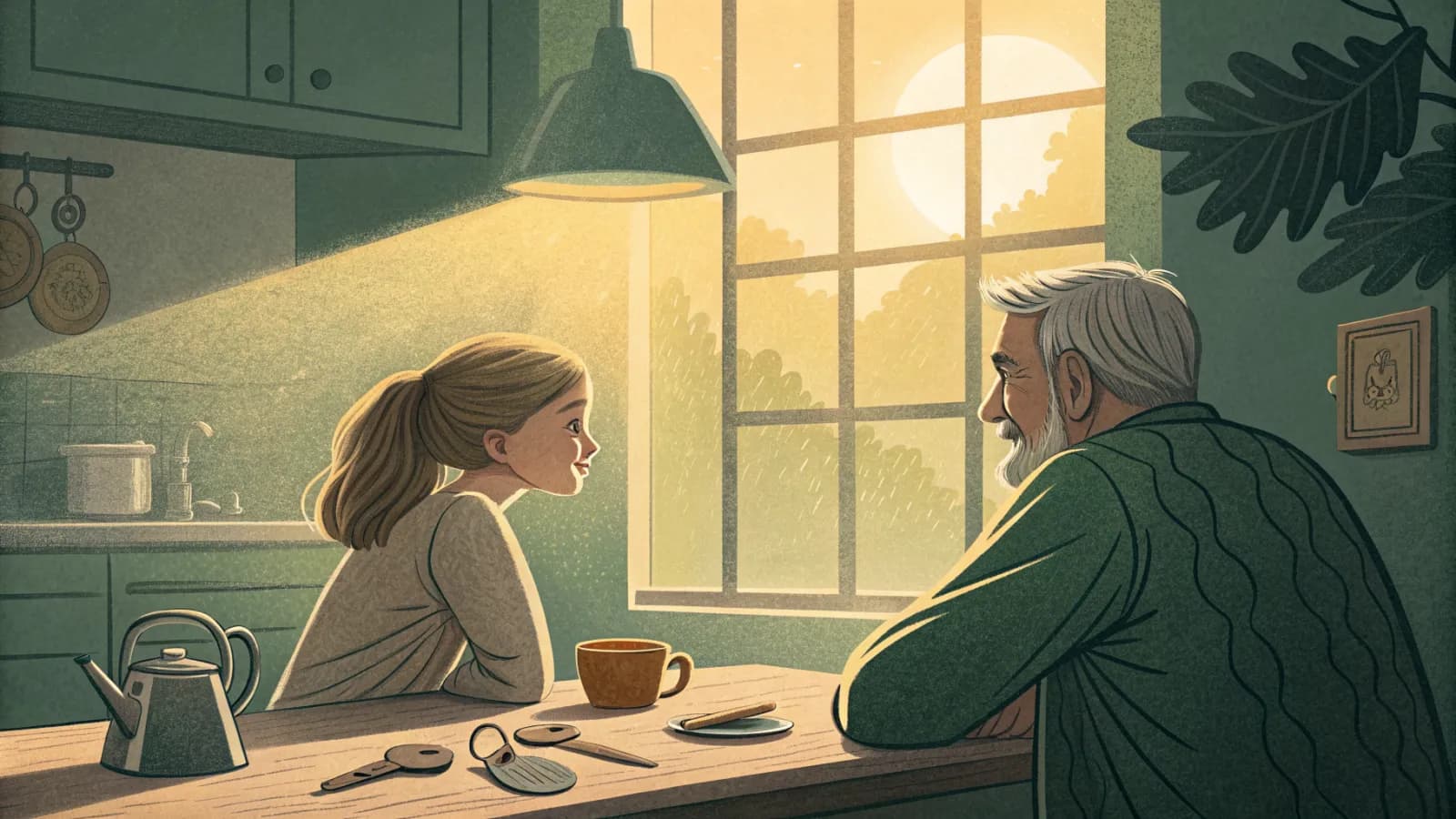
Shadows and gloom feed confusion. As the sun drops, close the curtains and switch the lamps on early so the room stays evenly lit and there are no dark corners to misread. You are not going for bright and harsh. You want a warm, steady glow with no strange shapes on the walls. Then, as bedtime gets close, ease the lights down so the house quietly signals that the day is ending. A small night light in the bedroom and the bathroom helps a lot if waking in the dark tends to frighten or agitate them.
Sound and activity
Evenings get loud without anyone meaning them to. The television news, a ringing phone, dishes in the sink, and three people talking at once add up fast. Pick one calm thing at a time. Turn the TV off, or put on something familiar and quiet. Soft music your parent has always liked can settle the whole mood. Save errands, bathing, and visitors for the morning or early afternoon, when your parent has more in the tank.
Comfort and the body
A lot of late day upset is really a body need that no one has named yet. Before the evening turns, run a quick check. Are they hungry or thirsty? In pain? Too hot or too cold? Do they need the bathroom? A sudden jump in confusion can also come from an infection such as a urinary tract infection, so if the change is fast and out of character, that is worth a call to the doctor. Keep caffeine and sugar to the morning, and skip alcohol, which only makes sleep worse.
A calm evening routine you can copy tonight
Doing the same things in the same order every night gives your parent fewer surprises to manage. Try this order and bend it to fit your home.
- Get outside or sit by a sunny window during the day so the body knows day from night
- Keep the biggest meal at lunch and make dinner lighter
- Switch the lamps on before dusk, before the room gets dim
- After dinner, drop the noise and pick one quiet activity
- Offer a bathroom trip, a glass of water, and a warm layer
- Dim the lights as bedtime nears and leave a night light on
- Aim for the same bedtime every single night
Keep daytime naps short, and try not to let them run into the late afternoon. A long nap at four in the afternoon often buys you a wide awake, worried night.
Triggers and what helps
When you can spot the trigger, the answer is usually simple. This is the pattern most families settle into.
| What sets off the evening | What tends to help |
|---|---|
| Shadows and a dim room | Lamps on early, curtains closed, a night light |
| Noise and a crowded room | One quiet activity, TV off, familiar soft music |
| Hunger, thirst, or a full bladder | A snack, water, and a bathroom trip before dusk |
| A packed or unfamiliar day | Outings in the morning, a slow afternoon |
| A long late day nap | Short early naps, plus daylight and a walk |
| Caffeine, sugar, or alcohol at night | Coffee and sweets in the morning only |
How to respond in the moment
When your parent is already worked up, your calm is the strongest tool in the room. Keep your voice low and slow, and let your face stay soft, because they read your tone and body more than your words. Do not argue the facts or try to correct them. If they say they have to get home or pick up the kids, meet the feeling instead of the logic. Tell them everything is handled and that they are safe with you. Offer something to do with their hands, or a short walk down the hall together, since gentle movement often drains the restlessness. If they want to pace, let them pace where it is safe rather than holding them still.
When to call the doctor
Try the routine changes first, but do not white knuckle a pattern that keeps getting worse. Call your parent's doctor if the evenings are getting harder over weeks, if sleep falls apart, if there is new pain, or if the confusion turns fast and severe, which can point to an infection or a medication problem. A doctor can look for a cause you cannot see and talk through the options with you. Most experts favor these everyday changes before any medicine, and nothing here is a substitute for that medical advice. The Alzheimer's Association guide to sundowning and the National Institute on Aging both keep free, current pages you can read in a few minutes.
When the evenings are hard every night
There is a point where one person cannot cover the late shift alone, especially if you are also working or sleeping badly yourself. If sundowning has taken over your evenings and your nights, that is worth saying out loud. A memory care setting is built for exactly these hours. The space is secured so a resident cannot wander outside, the evening is kept calm and steady on purpose, and caregivers are awake through the night, so no single family member has to hold it all. Both Sugarmill Manor in Homosassa and The Gardens in Crystal River offer memory care. If the nights are wearing you down, come see how an evening actually runs: schedule a tour and ask the administrator how their team handles sundowning, one family at a time.
Frequently asked questions
What is sundowning in dementia?
Sundowning is when a person with Alzheimer's or another dementia gets more confused, restless, or upset in the late afternoon and evening. It is a set of behaviors, not a disease, and it usually eases with a calmer, more predictable evening.
How do I handle sundowning at home tonight?
Turn the lamps on before the room gets shadowy, lower the noise and activity after dinner, and keep a slow, steady routine. Check for hunger, thirst, pain, or a full bladder, and keep caffeine and alcohol out of the evening.
Should the lights be bright or dim in the evening for sundowning?
Keep rooms evenly lit as the sun drops so there are no confusing shadows, then ease the lights down as bedtime nears. A small night light in the bedroom and bathroom helps if waking in the dark is frightening.
When should I call a doctor about sundowning?
Call the doctor if the evenings get harder over weeks, sleep falls apart, there is new pain, or confusion turns fast and severe, which can signal an infection or a medication problem. A doctor can look for a cause you cannot see.
Does memory care help with sundowning?
Yes. A memory care community keeps the evening calm and predictable, is secured so a resident cannot wander outside, and has caregivers awake overnight, so one family member does not have to cover the late shift alone.
Sources
Written by
Community Relations Director
Cameron Hernando Clark is the Community Relations Director for The Manors of Citrus. He writes this family guide to help Citrus County families make sense of assisted living and memory care, drawing on the day to day of running two family owned communities on Florida's Nature Coast.
Keep reading

Come see if it feels right for your parent
We answer in person during the day and call within an hour to confirm a tour.